Home & Living
Creating a Sanctuary: Styling Your Home with Plants
By Lena Terra
A home without plants is like a song without a melody — functional, but missing something essential. Plants bring life, movement, and a sense of the outdoors into our interior spaces. But styling with plants is an art, not a science.
The Three-Height Rule
When arranging plants in a space, think in three heights: floor, mid, and surface. This creates visual rhythm and prevents the "plant shelfie" look where everything sits at the same level.
- Floor level: Large statement plants — fiddle leaf figs, monsteras, rubber trees. These anchor the space.
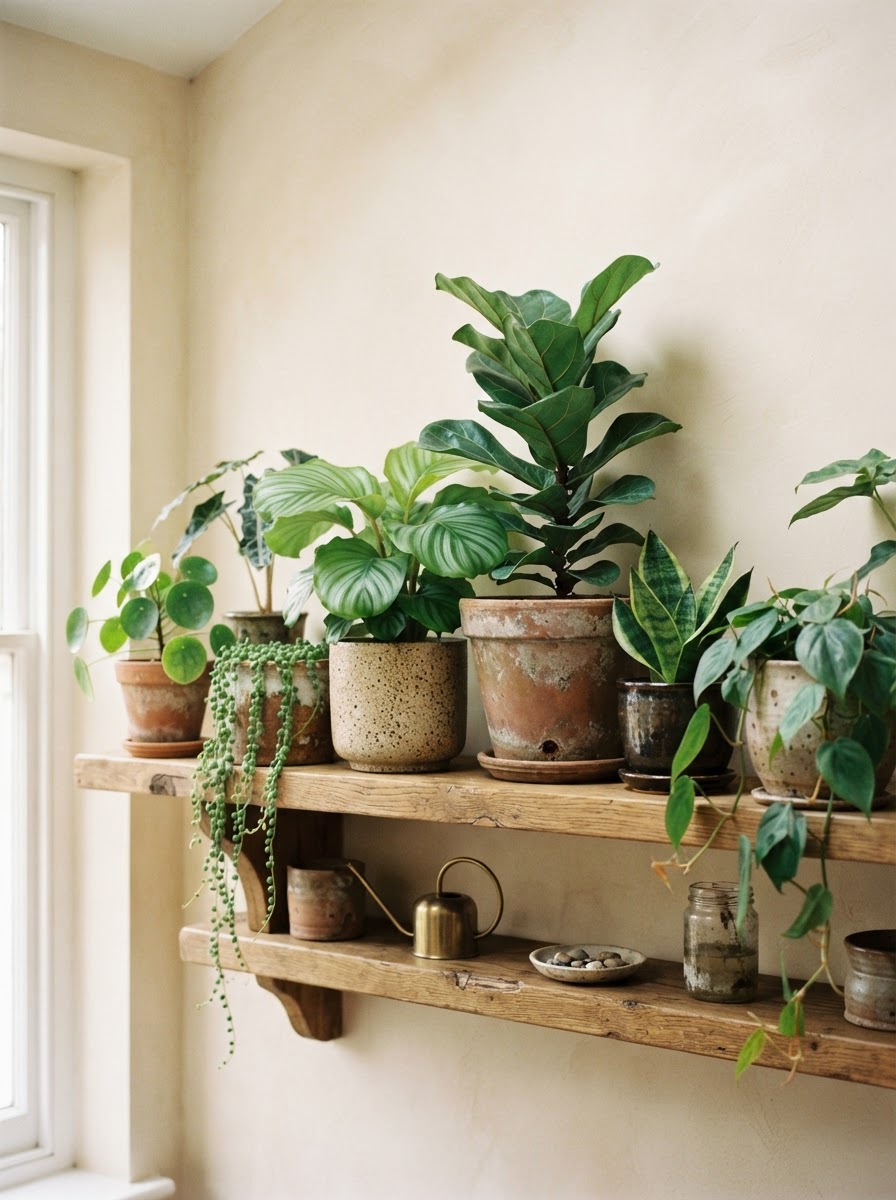
- Mid level: Plant stands, side tables, or hanging planters. Use trailing plants like pothos or string of pearls to create cascading movement.
- Surface level: Small pots on shelves and windowsills. Succulents, small ferns, and herbs work beautifully here.
Choosing the Right Pot
The pot is as important as the plant. At Terra Botanica, we pair each plant with a handmade vessel that complements both the plant's form and the room's character.
"A plant in a plastic nursery pot is like a painting without a frame. The pot completes the plant. It says: this belongs here."
Terracotta breathes and is ideal for plants that like to dry out between waterings (succulents, cacti). Glazed ceramic retains moisture longer and works well for ferns, calatheas, and other humidity-loving plants.
Light is Everything
Before you buy a plant, observe your space. Where does the light fall, and when? South-facing windows get the most direct light. North-facing windows get soft, indirect light — perfect for ferns and ivy.
Don't fight your light. Choose plants that will thrive in what you have, not what you wish you had. A happy plant in the right spot will always look better than a struggling plant in the wrong one.
The Sanctuary Mindset
Ultimately, styling with plants is about creating a sense of sanctuary — a space that feels alive, breathing, and restorative. Start with one plant. Learn its rhythms. Then add another. Let the space tell you what it needs.